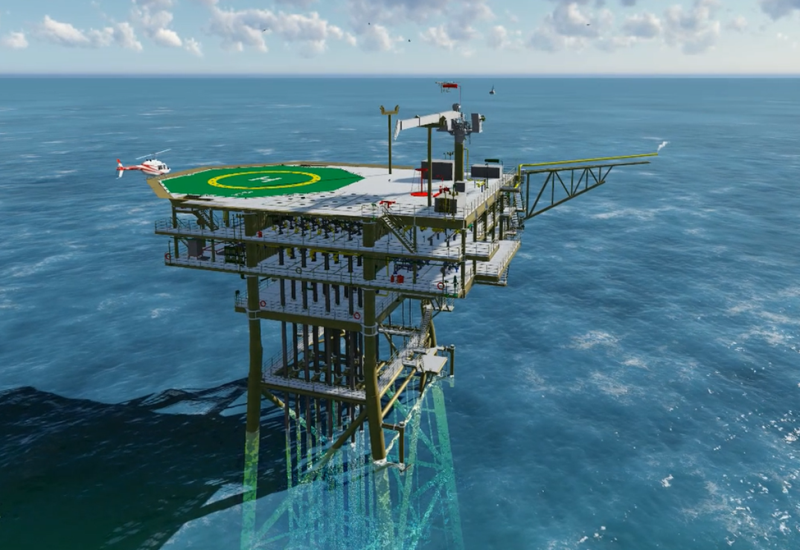
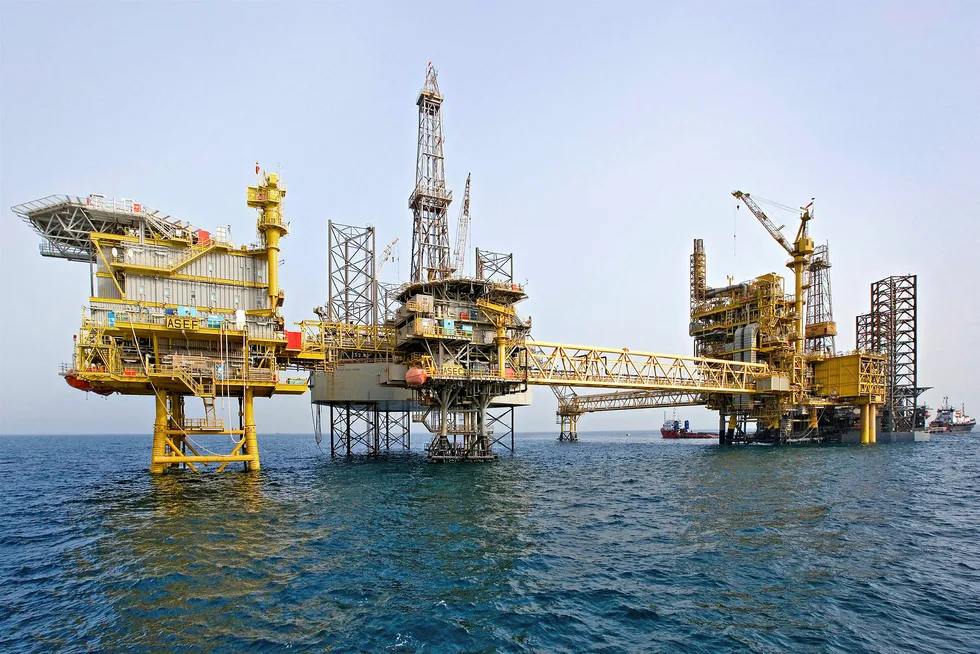
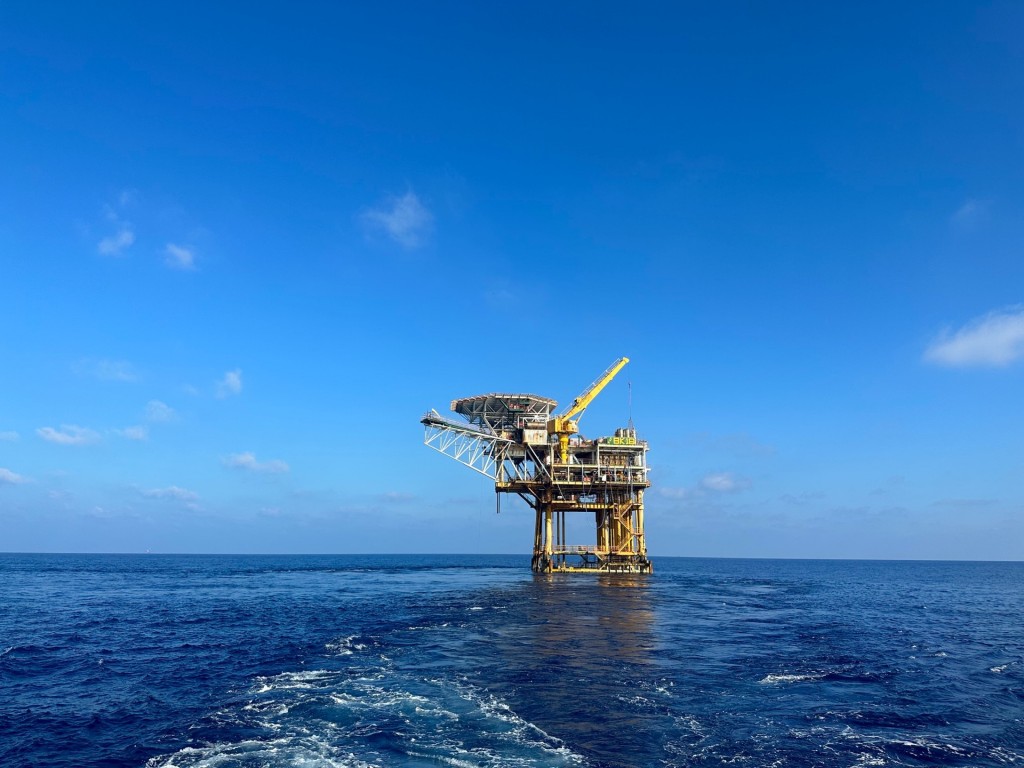
In the oil and gas industry, welded steel pipes play an essential role, especially in offshore structural applications. API 2B standards are established to ensure that welded steel pipe products not only meet quality requirements but also ensure safety and performance under harsh working conditions.
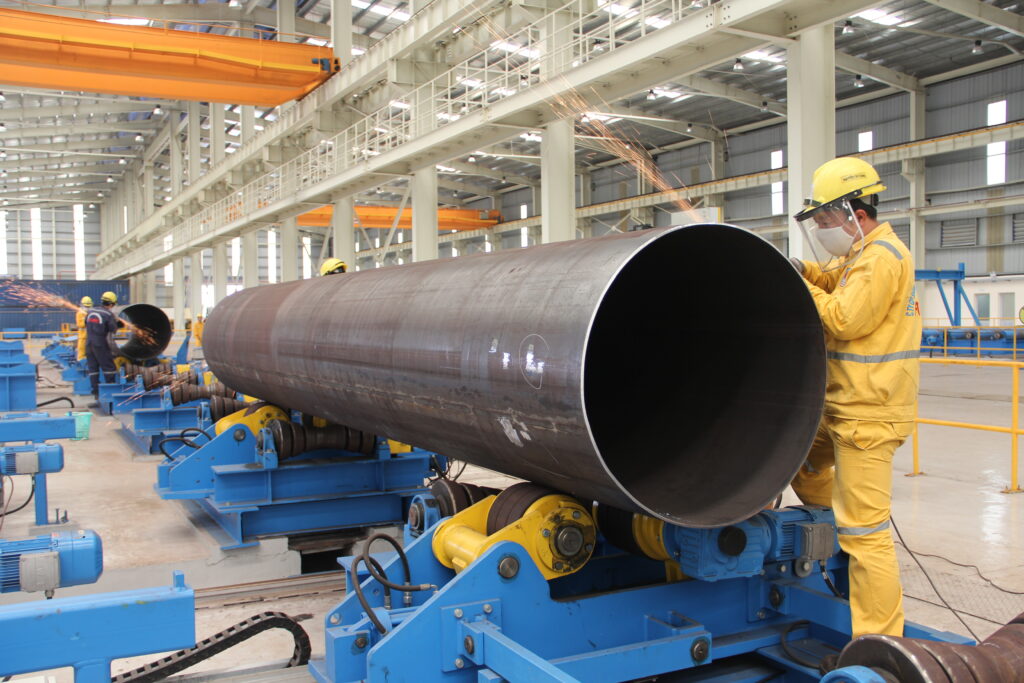
Welded steel pipes are manufactured from high quality steel materials, with advanced welding processes to create strong and durable welds. The strict standards of API 2B require these steel pipes to have good bearing capacity, corrosion resistance and high tensile strength, meeting the strict requirements of the marine environment. The use of welded steel pipes in structures such as drilling rigs, ports and other offshore structures not only helps optimize costs but also enhances the reliability of the systems.
One of the highlights of welded steel pipes meeting API 2B standards is the ability to check quality. Welds must undergo non-destructive testing (NDT) procedures to detect potential defects early. This not only ensures the safety of buildings but also increases the lifespan of steel structures. In addition, this standard also regulates the preservation and transportation of welded steel pipes, in order to preserve product quality during storage and construction.
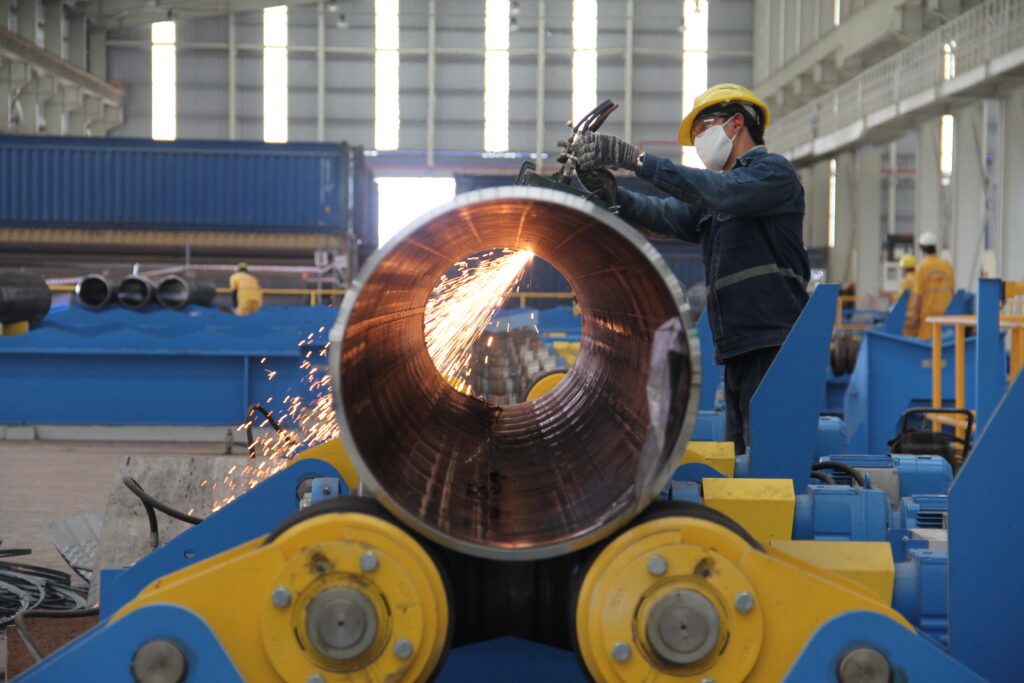
Furthermore, with the continuous development of technology, welded steel pipe manufacturers are increasingly focusing on applying innovative solutions, from production processes to materials used. This not only helps improve production efficiency but also responds more quickly and flexibly to market needs. The combination of advanced technology and high quality standards has created welded steel pipe products that not only meet but also exceed the technical requirements of the oil and gas industry.
With outstanding properties and strict compliance with quality standards, welded steel pipes meeting API 2B standards have affirmed their position in the oil and gas industry. This is the optimal choice for contractors and engineers in the design and construction of offshore structures, ensuring maximum performance and safety for pipeline systems and related structures.
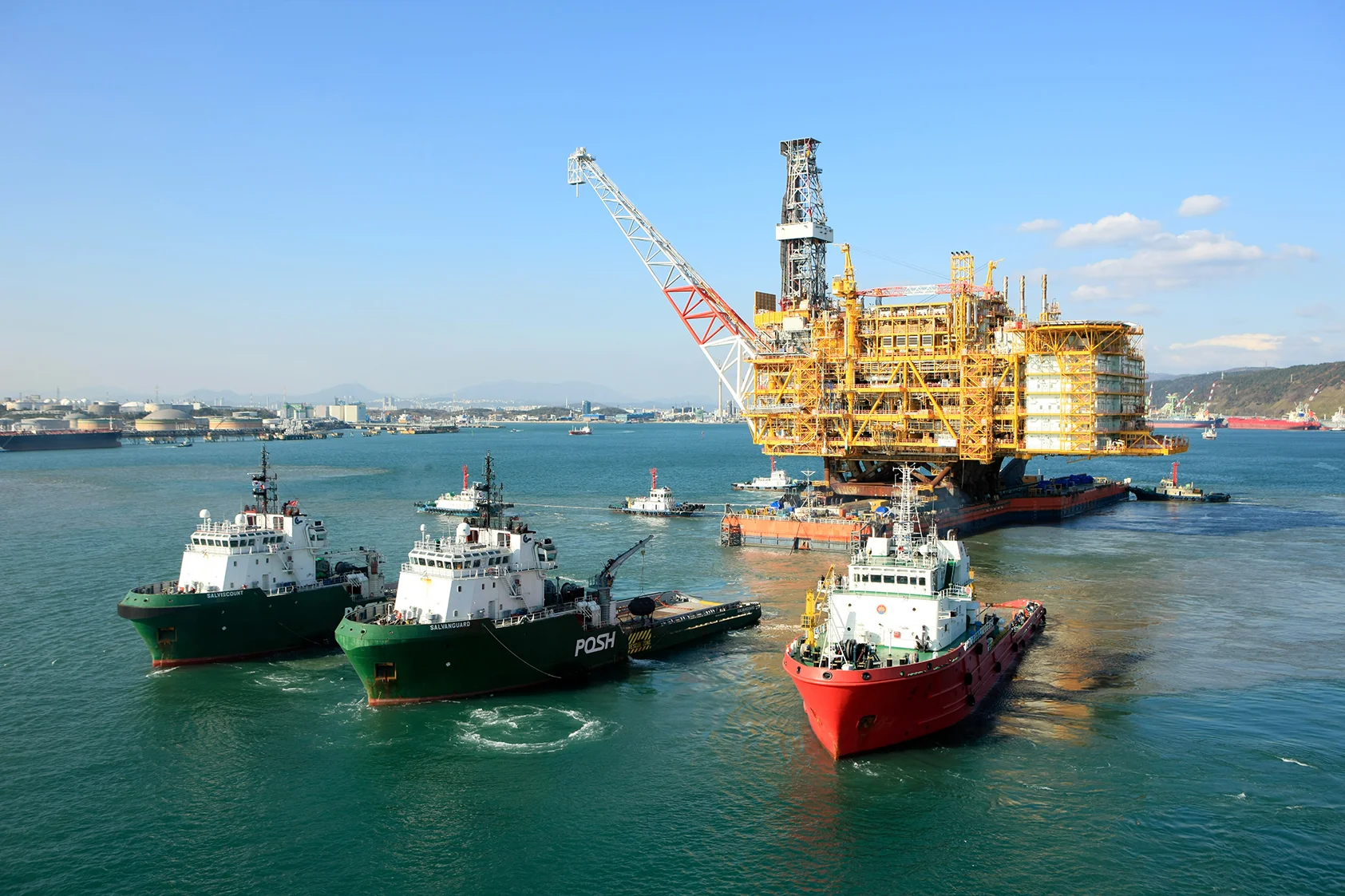
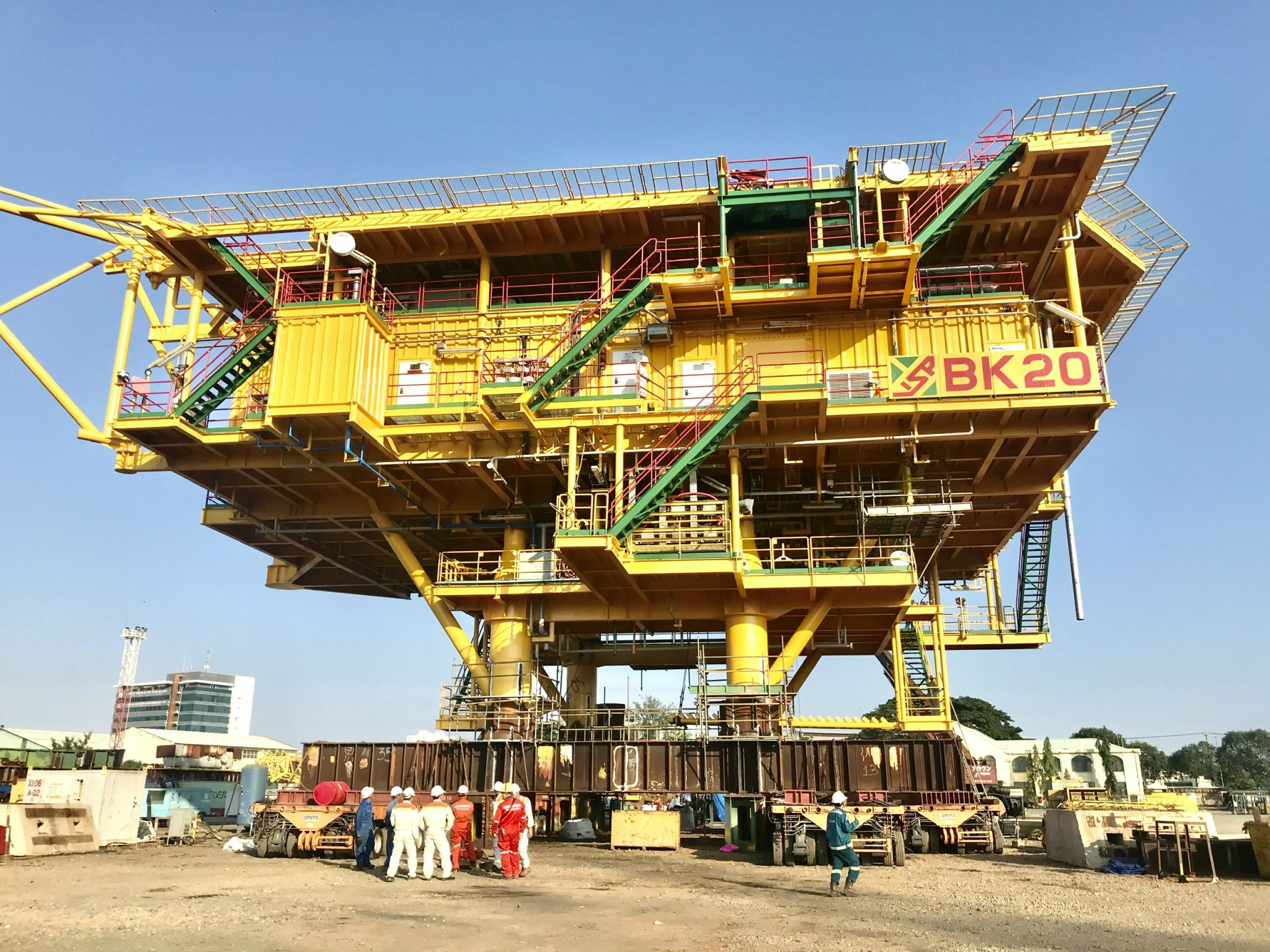
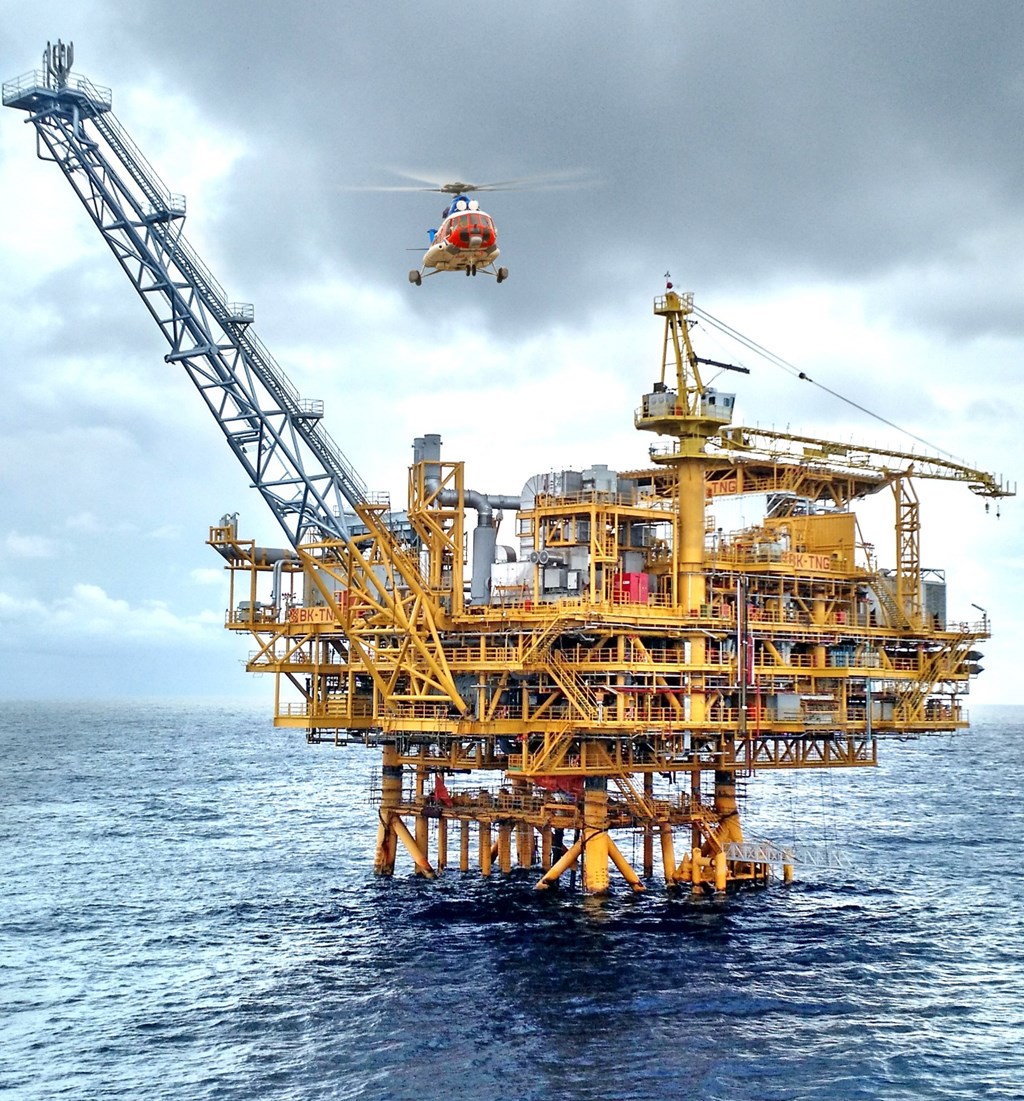
Typical projects use API 2B standard structural steel pipes