LNG gas power is becoming an important part of the socio-economic development strategy and ensuring national energy security. However, the implementation of LNG gas power projects is currently facing many challenges and difficulties.
According to Decision 500/QD-TTg, Vietnam has approved about 13 important LNG gas power projects, with the goal of reaching 22,400 MW by 2030, accounting for 14.9% of the total power source. However, with current progress, it becomes difficult to connect to the power grid in time by 2030. The time from planning to operation of projects often lasts from 8-10 years, seriously affecting the reliability of the power system in the future.
Leaders of the Ministry of Industry and Trade have emphasized the essential role of LNG in the overall power plan VIII, especially for national energy security, especially in the North. If the slow progress continues, energy security will be seriously threatened.
Challenges in Implementing LNG Gas Power Projects
The lack of favorable policy mechanisms for investors and LNG importers is one of the main reasons causing difficulties in project development. Issues such as contract negotiation, site clearance, and investor identification are also hindering project progress.
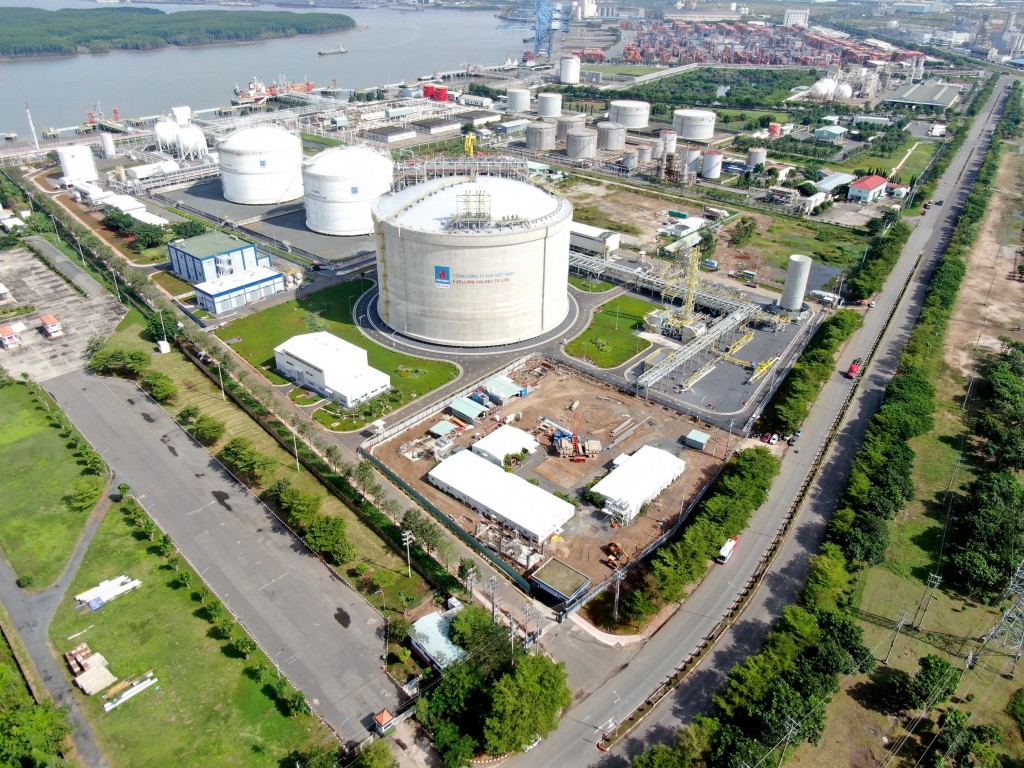
Vietnam Gas Corporation (PV GAS) is making efforts to invest in imported LNG terminals to ensure gas supply for electricity production and other industries. However, PV GAS is facing difficulties in policy mechanisms related to LNG products, affecting the investment and business process.
Solutions and Future Directions for LNG Gas Power Projects
To solve these difficulties, PV GAS is actively participating in building necessary policy mechanisms for investment and development of LNG infrastructure. Committing to annual electricity output and gas consumption from Vietnam Electricity Group (EVN) is a prerequisite to attract finance for projects.
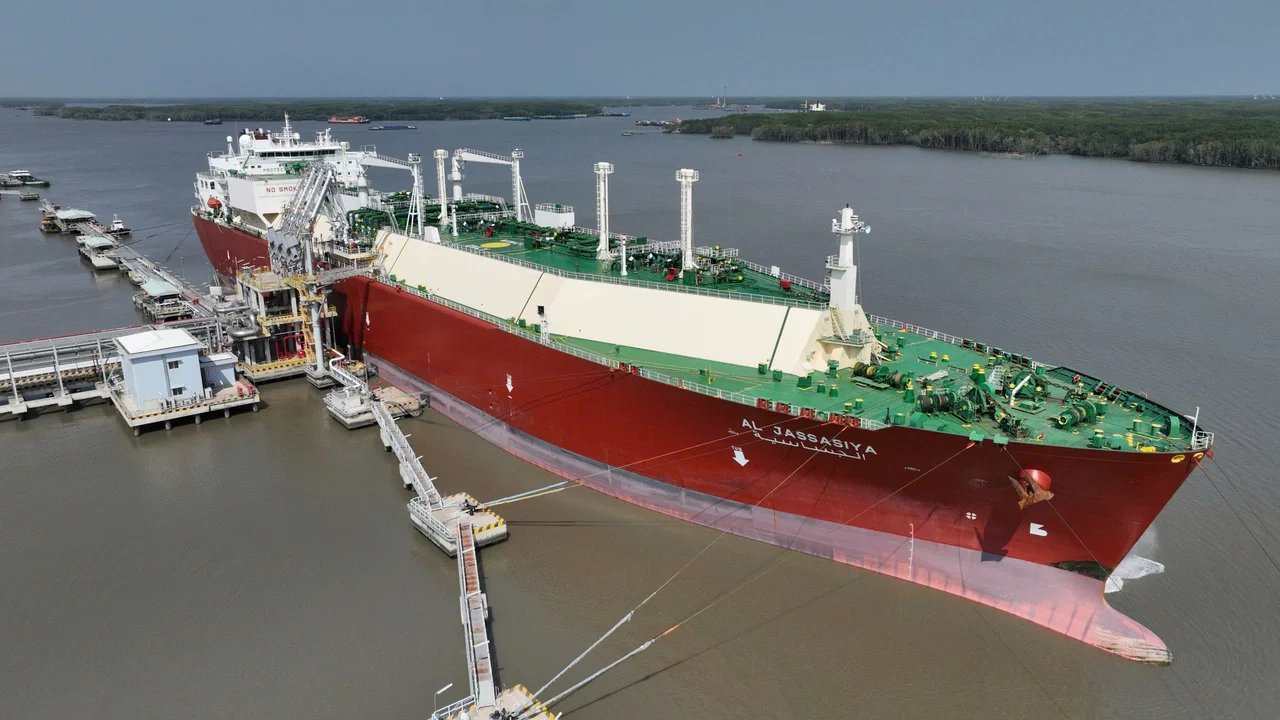
Despite many challenges, PV GAS continues to implement the gas market development strategy according to the orientation of Vietnam Oil and Gas Group (Petrovietnam). The enterprise is transforming its gas business model, prioritizing domestic gas sources and developing LNG business for industrial customers.
Conclude
LNG gas power development is an indispensable part of the national energy strategy. To ensure the progress and effectiveness of projects, there needs to be close coordination between authorities and businesses, along with the development of appropriate policy mechanisms. This not only helps improve energy security but also promotes the sustainable development of the gas industry in Vietnam.